Skip to navigation
Skip to main content
Skip to navigation
Skip to main content 

Home » Articles » Condition Guides » How to Stop Hair Loss and Regrow Hair Naturally: Causes, Prevention & Modern Solutions
How to Stop Hair Loss and Regrow Hair Naturally: Causes, Prevention & Modern Solutions
Hair loss is one of the most common concerns affecting both men and women in Malaysia. While shedding hair daily is normal, excessive thinning can cause stress and affect confidence. Many people searching online want to know: how to stop hair loss and regrow hair naturally without surgery or aggressive treatments.
The good news is that hair loss often has identifiable causes, and early intervention can significantly improve outcomes. From understanding the root causes to exploring regenerative options like exosome therapy, this guide explains everything you need to know.
How Much Hair Loss Is Normal?
Before you panic, here’s something reassuring.
Losing 50 to 100 strands a day is completely normal. Hair grows in cycles. Some strands grow, some rest, some fall out. That’s just biology.
Hair grows in three stages:
Growth phase (anagen)
The anagen phase is the active growth stage of the hair cycle. During this phase, hair follicles are actively producing new hair cells, allowing the hair strand to grow longer and stronger.
Resting phase (telogen)
The telogen phase is the resting stage of the hair cycle. During this time, the hair follicle becomes inactive and stops producing new hair, but the existing hair strand remains attached to the follicle.
Shedding phase
The shedding phase occurs when the hair strand that was resting in the telogen phase is released from the follicle. As a new hair begins to grow underneath, it gradually pushes the old hair out.
You should start paying attention when:
- your ponytail feels thinner
- your scalp becomes more visible under bright light
- you see more shedding for several months in a row
- your hairline or crown slowly changes shape
Hair loss becomes a concern when shedding is consistent and visible over time, not just a bad hair week.
What Is the Reason for Hair Loss?
Understanding what is the reason for hair loss is key to choosing the right solution.
Common causes include:
1. Genetic Factors (Androgenetic Alopecia)
If hair thinning runs in your family, you may develop androgenetic alopecia (pattern hair loss). This condition affects both men and women and is the most common cause of gradual hair thinning.
2. Hormonal Changes
Hormones play a major role in regulating the hair growth cycle. Changes in hormone levels can disrupt this cycle and cause more hair to enter the shedding phase.
3. Stress
Physical or emotional stress can have a significant impact on hair health. Severe stress, such as illness, surgery, major life events, or sudden weight loss, can push a large number of hair follicles into the resting phase of the hair cycle.
4. Nutritional Deficiencies
Healthy hair growth depends on a steady supply of nutrients. Deficiencies in key nutrients such as iron, protein, vitamin D, zinc, and certain B vitamins can weaken hair follicles and slow hair production. A Hair Tissue Mineral Analysis can help identify specific deficiencies affecting your hair health.
5. Scalp Inflammation
The condition of the scalp plays an important role in hair growth. An inflamed or unhealthy scalp can disrupt the environment needed for follicles to function properly.
6. Ageing
As we age, natural changes occur within the hair follicles. Cell regeneration slows down, and the follicles gradually produce thinner, finer hair.
How to Prevent Hair Loss Before It Gets Worse
If caught early, prevention strategies can slow progression significantly.
Improve Scalp Health
A healthy scalp provides the ideal environment for hair follicles to grow strong and resilient hair. Just like healthy soil supports plant growth, a well-maintained scalp allows follicles to function properly. Regular cleansing helps remove excess oil, product buildup, and impurities that may clog hair follicles and interfere with growth. LED Light Therapy is one non-invasive option that may support scalp circulation and follicle health.
Optimise Nutrition
Hair follicles require a steady supply of nutrients to support the growth cycle. Nutrients such as protein, iron, zinc, and biotin play key roles in strengthening hair strands and supporting follicle function.
Reduce Stress Levels
Chronic stress can have a direct impact on the hair growth cycle. When the body experiences prolonged stress, it may push a larger number of hair follicles into the resting phase, which can lead to increased shedding several months later.
Avoid Over-Styling
Excessive heat, tight hairstyles, and harsh chemical treatments can weaken the hair shaft and stress the scalp over time. Reducing mechanical and chemical damage helps preserve hair health and minimise unnecessary shedding. The Capilarte Stimulating Hair Growth Serum can be used as part of a gentle daily routine to support the scalp without added stress.
Seek Early Treatment
Early intervention plays a critical role in managing hair thinning. When hair loss is addressed at the initial stages, there is a greater chance of preserving existing follicles and slowing further progression. The TTE Elephant AI Scalp Analyzer offers a precise scalp assessment to help identify thinning patterns early.
What Are Exosomes?
Exosomes are microscopic messengers naturally released by cells. They carry proteins and growth signals that help regulate repair and regeneration in the body. Unlike medications that alter hormones, exosome therapy works by encouraging follicles to function more efficiently.
In medical aesthetics and regenerative medicine, purified exosomes are used to:
- support tissue repair
- calm inflammation
- improve cellular function
Instead of forcing hair to grow, exosomes encourage your follicles to function better.
How Exosomes for Hair Loss Work
Hair loss often involves inflammation and reduced blood flow around follicles. Exosomes for hair growth aim to improve the environment around those follicles.
When applied to the scalp, often via microneedling or injection, exosomes may help:
- reduce inflammation
- improve blood supply
- strengthen weakened follicles
- support healthier hair cycles
Because exosomes enhance communication between cells rather than forcing growth, results tend to develop gradually and appear natural.
What Is an Exosome Treatment for Hair Like?
An exosome treatment for hair typically begins with a consultation to assess scalp condition and hair thinning patterns.
The Treatment Process
- A scalp assessment to understand thinning patterns
- Cleansing of the treatment area
- Microneedling or targeted injections
- Application of medical-grade exosomes
The procedure usually takes under an hour.
Downtime
Mild redness or sensitivity may occur for 24 to 48 hours. This happens because the treatment creates tiny, controlled micro-injuries in the skin or scalp to stimulate the body’s natural healing response.
Results Timeline
Results from exosome therapy typically develop gradually as the scalp begins to respond to the regenerative signals. Early improvements in scalp condition, such as reduced inflammation or better scalp balance, may sometimes be noticed within the first few weeks after treatment.
However, visible thickening of the hair usually takes longer because hair growth occurs in natural cycles. In many cases, noticeable improvements in hair density or strength may begin to appear after about two to three months as follicles enter a new growth phase. Because hair restoration is a gradual process, multiple treatment sessions are often recommended to achieve more consistent and lasting results.
Exosome therapy is also frequently combined with other hair-support treatments to further enhance outcomes and support overall scalp health.
Are Exosomes Better Than Traditional Treatments?
You might be wondering how this compares to common treatments. Traditional options include:
- Topical medications such as Minoxidil (Rogaine), caffeine-based scalp serums, and topical finasteride
- Oral prescriptions such as Finasteride (Propecia), oral minoxidil, and Dutasteride (Avodart)
- PRP (platelet-rich plasma) administered through standard PRP scalp injections
| Treatment | Benefits | Considerations |
|---|---|---|
| Exosome Therapy | May support cellular repair, reduce inflammation, and improve the follicle environment. | Results develop gradually and multiple sessions may be required. |
| PRP (Platelet-Rich Plasma) | Stimulates follicle activity and may improve hair thickness. | May cause temporary inflammation or swelling; effectiveness varies by individual. |
| Topical Treatments | Widely available and easy to use at home. | Requires consistent long-term use; results stop if treatment is discontinued. |
| Oral Medications | Can slow hair loss progression in certain individuals. | May cause side effects and requires medical supervision. |
| Hair Transplant Surgery | Provides permanent redistribution of existing hair. | Invasive procedure with recovery time and higher cost. |
However, the best treatment depends on your diagnosis. There’s no universal solution.
When Should You See a Professional?
If shedding continues for more than three months, or if thinning becomes visibly noticeable, it’s time for proper evaluation. Early intervention makes a significant difference, especially in genetic hair loss.
A professional assessment can determine:
- whether follicles are still active
- if inflammation is present
- which treatment path makes sense
When you know what’s behind the problem, finding the right solution becomes a lot easier. A Health Check & Body Insights screening can help identify the underlying factors contributing to hair loss before they progress further.
Final Thoughts: Taking Control of Hair Loss Early
Understanding how to stop hair loss and regrow hair naturally starts with identifying the cause and acting early. While daily shedding is normal, persistent thinning should not be ignored.
Prevention strategies, lifestyle adjustments, and regenerative treatments such as exosomes for hair growth may help support healthier, stronger hair over time. If you’re concerned about ongoing hair loss, a personalised assessment can help determine the most suitable next steps for your scalp and hair health.
You can also explore Reserve Daily’s ExoHair Cellular Hair Growth & Recovery and the Exosome Hair Revival Spray as part of your daily hair and wellness routine.
Explore Hair Loss Treatments in Malaysia
Looking for specific hair and scalp solutions? Browse our curated wellness tag pages for treatments, products, and clinics across Malaysia:
- Hair Loss Treatment Malaysia – Find clinics and treatments for hair thinning and balding
- Hair Regrowth PRP Malaysia – PRP therapy options for natural hair regrowth
- AI Scalp Analysis Malaysia – Advanced AI-powered scalp diagnostics
- Scalp Treatment Malaysia – Professional scalp care and therapy options
- PRP Hair Therapy Malaysia – Platelet-rich plasma treatments for hair restoration
- Hair Mineral Analysis KL – Comprehensive hair tissue mineral testing in Kuala Lumpur
- Thinning Hair Shampoo Malaysia – Specialised shampoos for thinning and weak hair
- Strengthening Shampoo Malaysia – Hair strengthening products and solutions
- Exosome Hair Therapy Malaysia – Next-generation exosome treatments for hair rejuvenation
- Hair Growth Serum Malaysia – Effective serums and topical solutions for hair growth
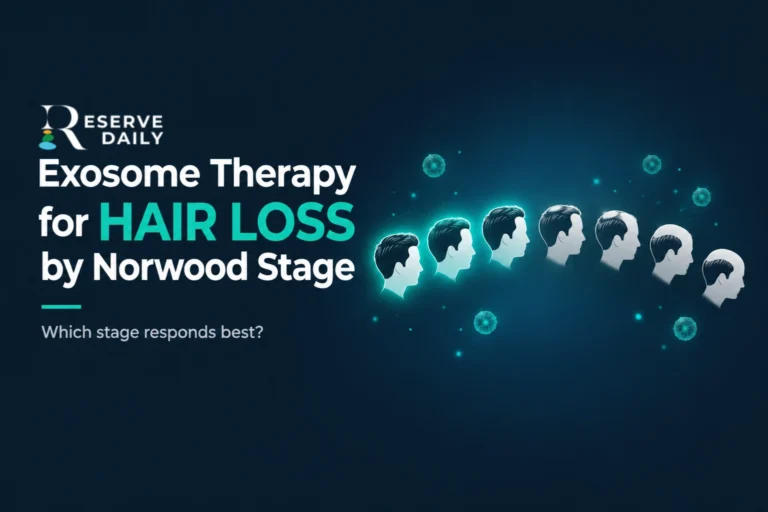
Exosome Therapy for Hair Loss: Which Norwood Stage Responds Best?